The Five Freedoms Ignored:
Why Partnership with REWE Group
Raises Serious Ethical Concerns
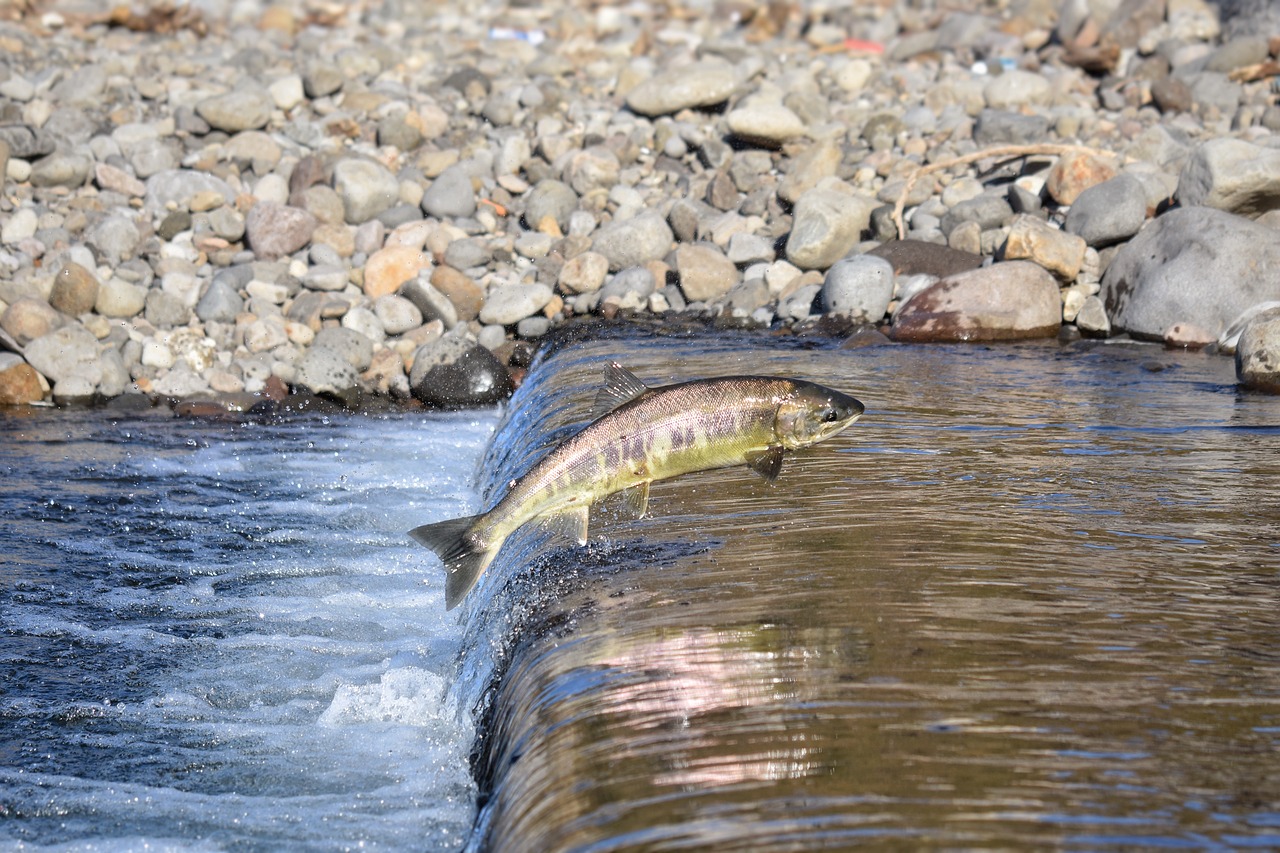
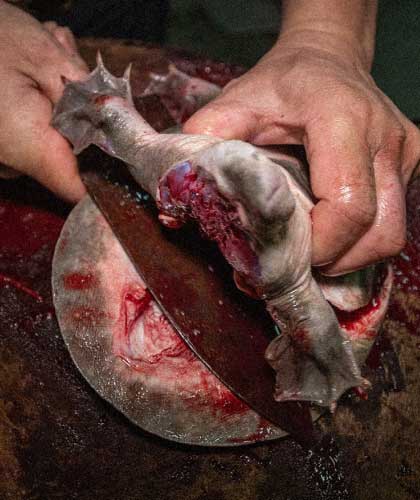
This photo is representative of the standard industrial farming practices permitted in the company’s supply chain.Photo:


These are among the Five Freedoms that define humane treatment for farm animals – standards supported by more than 90% of the public.
While many leading companies are adopting these principles in their own operations and partnerships, Greenyard continues to associate with REWE Group – a brand known for allowing extreme cruelty in its animal supply chain.
From being packed into overcrowded, filthy waters where fish’s bodies can become riddled with deformities and open sores from sea lice and other irritants to being cut open while alive and fully conscious, animals in REWE Group’s supply chain endure conditions that systematically violate the Five Freedoms. These practices have been widely documented and condemned by animal welfare experts, yet REWE Group has failed to implement meaningful policies to eliminate them.
While Greenyard may not be directly responsible for these actions, continuing to support REWE Group through partnership, collaboration, or distribution, helps enable this cruelty to persist. In today’s world, association comes with accountability.
Consumers are increasingly scrutinizing not just individual brands but the entire ecosystem that supports them. By maintaining a partnership with a company that refuses to adopt basic animal welfare policies Greenyard risks damaging its own reputation and losing the trust of ethically conscious consumers.
These inhumane practices can contribute directly to serious health risks for consumers. Seafood raised in polluted waters can carry harmful toxins such as mercury.
The decision to stand by REWE Group in the face of public outcry and documented abuse sends a message: that profits matter more than principles. But there’s still time to change course.
Greenyard has an opportunity to be a leader, not a bystander. By publicly urging REWE Group to align with the Five Freedoms, or reevaluating its business relationship altogether, Greenyard can help drive meaningful change for animals – and earn the respect of a public that increasingly demands it.



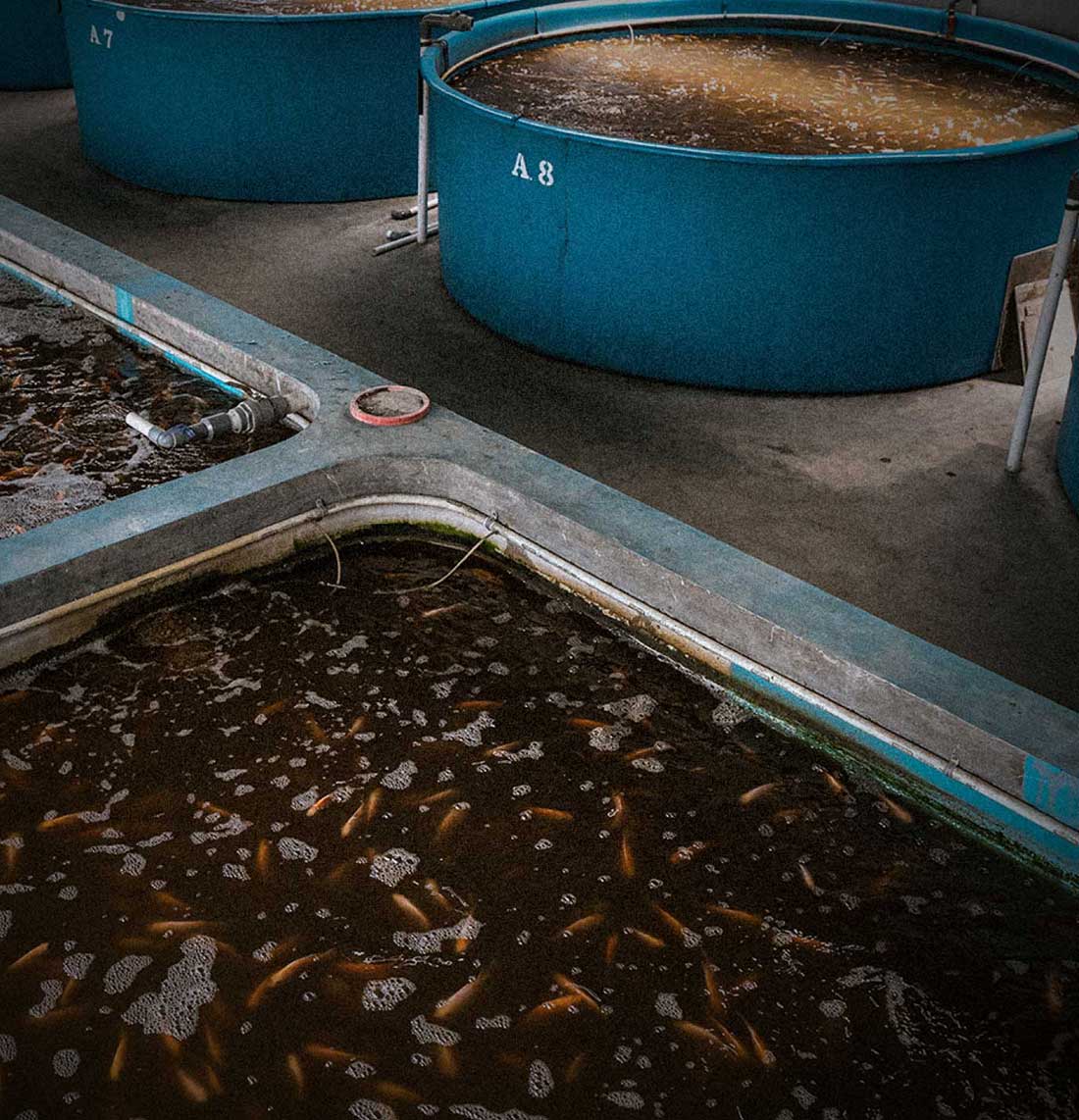
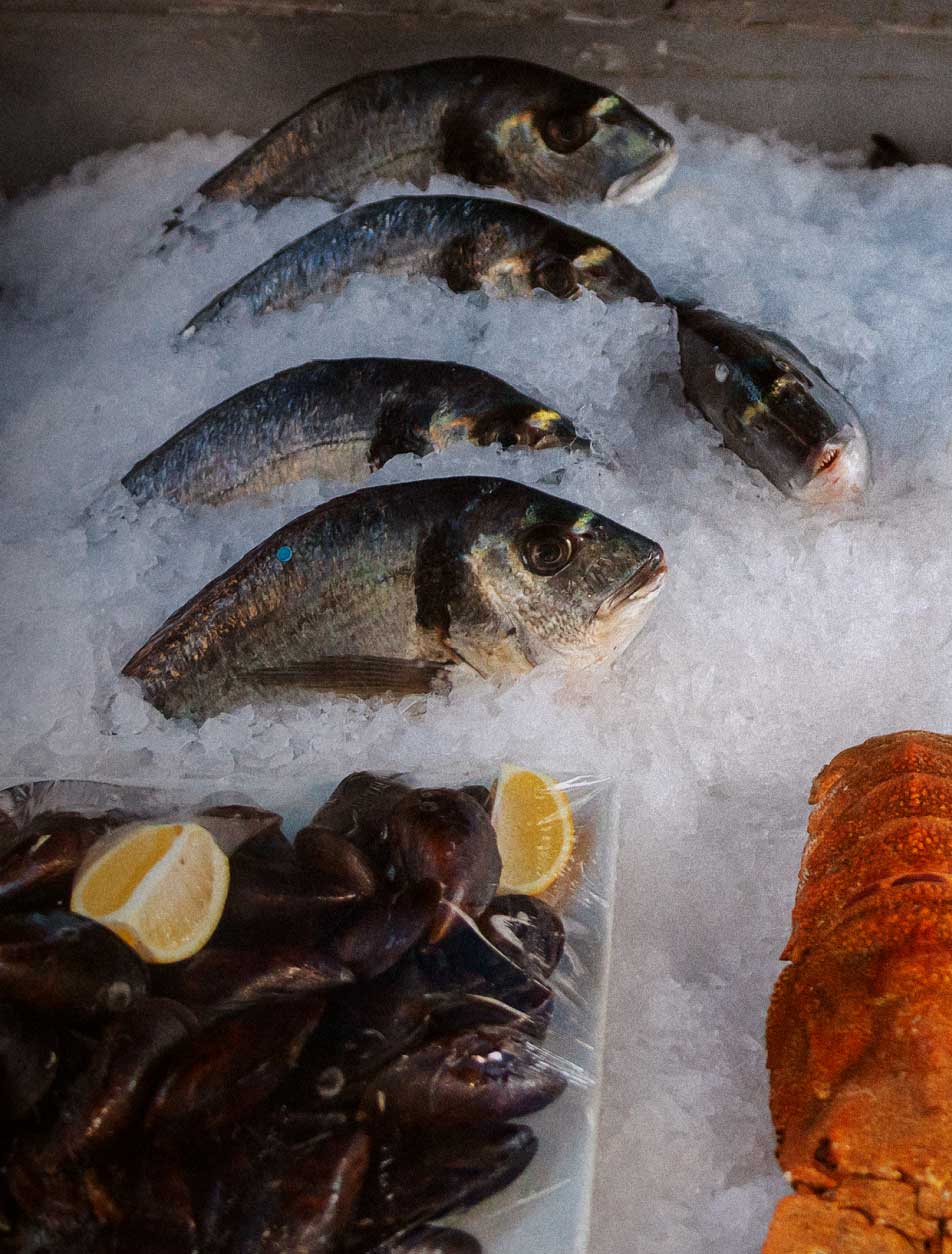
Fish and crustaceans in REWE Group’s supply chain can face a brutal existence.
At factory farm seafood facilities allowed in the REWE Group’s supply chain, animals can be packed into overcrowded, filthy waters where fish’s bodies can become riddled with deformities and open sores from sea lice and other irritants.
Disease is allowed to run rampant, with a large percentage of animals suffering to death from disease before even making it to slaughter.
Wild-caught fish in REWE Group’s supply chain face similar cruelty. REWE Group has no public policy prohibiting cruel and environmentally devastating capture methods from being used.
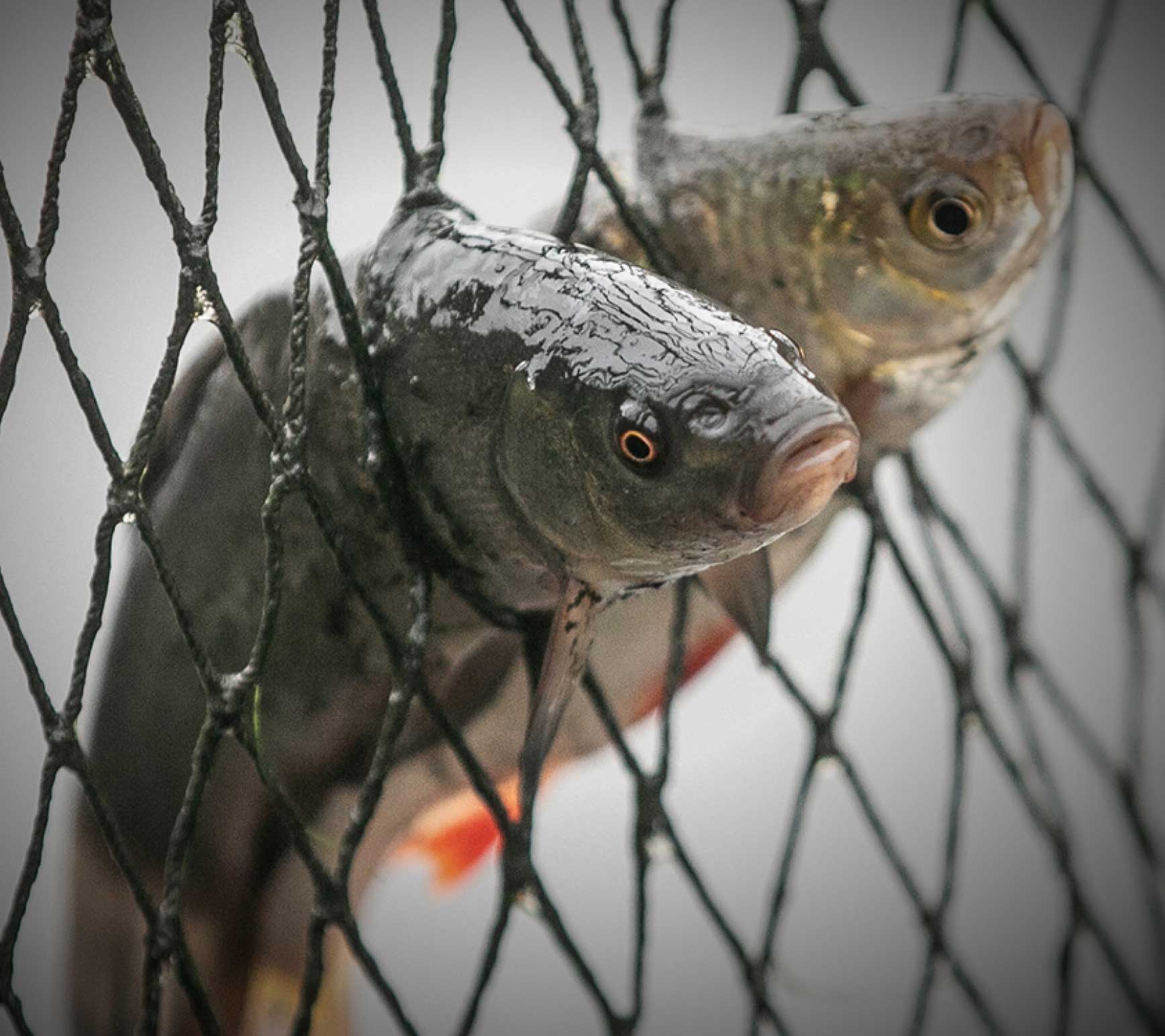
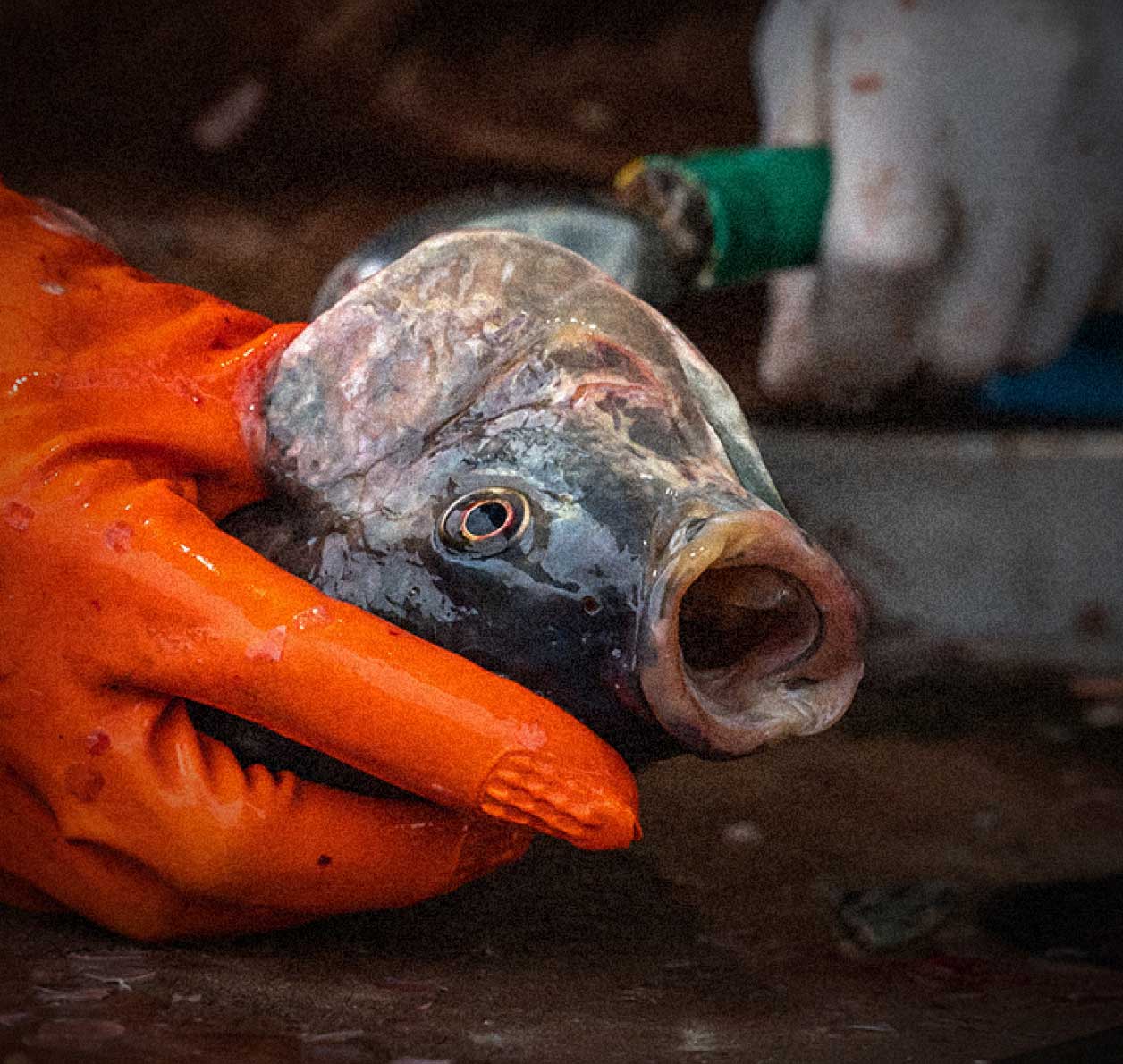
Methods such as trawling and longlining can kill large numbers of bycatch animals, damage local ecosystems, and lead to painful and prolonged suffering as animals linger for days jammed in nets or dangling on hooks.
The slaughter process is no less horrific. REWE Group allows its seafood suppliers to kill animals in the most brutal ways possible, including cutting them open while alive and fully conscious, cooking them while alive and fully conscious, slowly asphyxiating them, or beating them to death.



REWE Group has the power and responsibility to stop permitting these extreme cruelties in its supply chain. The public expects better, and animals deserve to live free from this egregious and unnecessary suffering.
It’s time for REWE Group to do what many other leading retail brands have already done and put policies in place that ensure the Five Freedoms for animals in its supply chain.